
How Physiotherapists Can Help Improve Your Posture
How Physiotherapists Can Help Improve Your Posture In our modern, tech-driven world, poor posture has become a pervasive problem. From spending hours hunched over our computers to constantly looking down at our smartphones, it’s no wonder that many of us suffer from neck, shoulder, and back pain. Fo
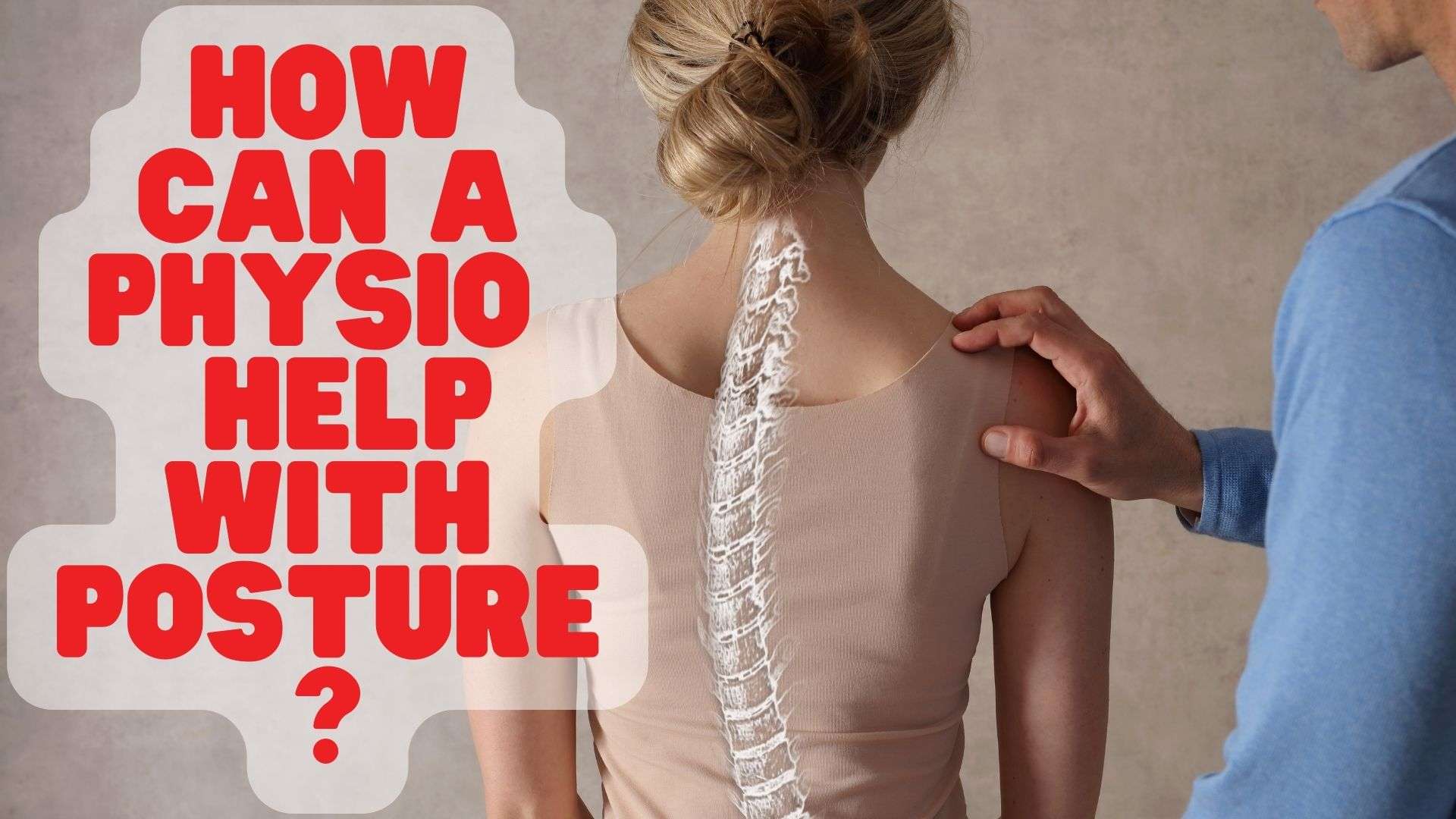
How Physiotherapists Can Help Improve Your Posture
In our modern, tech-driven world, poor posture has become a pervasive problem. From spending hours hunched over our computers to constantly looking down at our smartphones, it’s no wonder that many of us suffer from neck, shoulder, and back pain. Fortunately, there’s a solution – physiotherapy. Physiotherapists are experts in assessing and improving posture, and in this blog post, we’ll explore how they can help you achieve better posture for a healthier and more comfortable life.
Understanding the Importance of Good Posture
Before diving into how physiotherapists can assist, it’s essential to grasp why good posture is so crucial. Proper posture involves maintaining the natural alignment of your spine and body, which minimizes stress on your muscles, joints, and ligaments. Benefits of good posture include:
- Reduced Pain: Good posture can alleviate or prevent various types of pain, including back, neck, and shoulder pain.
- Improved Breathing: Proper alignment of the spine allows for better lung expansion, leading to improved oxygen intake and overall health.
- Enhanced Confidence: Good posture not only looks better but also boosts self-esteem and conveys confidence.
- Increased Energy: Proper posture reduces muscle fatigue, which can leave you feeling more energetic throughout the day.
How Physiotherapists Help with Posture
- Assessment: The first step to improving posture is a thorough assessment. Physiotherapists will evaluate your posture and identify any areas of misalignment or weakness. They may also inquire about your daily habits and work environment to understand contributing factors.
- Individualized Exercise Programs: Once your posture issues are identified, physiotherapists will create a tailored exercise program to target specific muscle groups. These exercises help strengthen weak muscles and improve flexibility in tight areas, gradually bringing your body back into alignment.
- Ergonomic Advice: Physiotherapists can provide guidance on setting up an ergonomic workspace, whether at the office or home. They’ll recommend adjustments to your chair, desk, and computer screen height to support good posture during work hours.
- Manual Therapy: In some cases, physiotherapists may use hands-on techniques such as massage, joint mobilization, or soft tissue release to alleviate pain and tension in areas affected by poor posture.
- Postural Education: Education is a significant aspect of physiotherapy. Physiotherapists will teach you about the importance of posture and provide strategies for maintaining it in your daily life. This includes tips on how to sit, stand, lift objects, and even sleep in ways that support proper alignment.
- Progress Tracking: Monitoring your progress is crucial to ensure your posture is improving. Physiotherapists will regularly assess your posture and adjust your treatment plan accordingly.
- Pain Management: If you’re experiencing pain due to poor posture, physiotherapists can help manage and reduce your discomfort through various techniques, ultimately allowing you to regain control over your body’s alignment.
Conclusion
Achieving and maintaining good posture is an essential component of overall health and well-being. Physiotherapists are invaluable partners on this journey, offering expertise, guidance, and support to help you improve your posture and lead a more comfortable and pain-free life. If you’ve been struggling with posture-related issues, don’t hesitate to seek the assistance of a qualified physiotherapist. With their help, you can stand tall, breathe easier, and enjoy the numerous benefits of proper posture.
Got a niggle you can't shake?
Our physios have been getting Penrith moving since 1989. No referral needed for private patients.