Pilates for Back Pain: Gentle, Effective Exercise After 50
🧘♀️ Why Pilates Is a Great Form of Exercise for Back Pain Moving Again After Back Pain If you’ve ever felt your lower back tighten after gardening, sitting too long, or going for a walk, you’re not alone.Many people in their 50s and 60s experience episodes of back discomfort that make them cautious
Moving Again After Back Pain
If you’ve ever felt your lower back tighten after gardening, sitting too long, or going for a walk, you’re not alone.
Many people in their 50s and 60s experience episodes of back discomfort that make them cautious about exercise. It can feel safer to do nothing for a while — but over time, that only leads to more stiffness and loss of confidence.
Gentle, guided movement is one of the most effective ways to ease back pain and prevent future flare-ups. One form of exercise that has stood the test of time for this purpose is Pilates.
What Makes Pilates Different
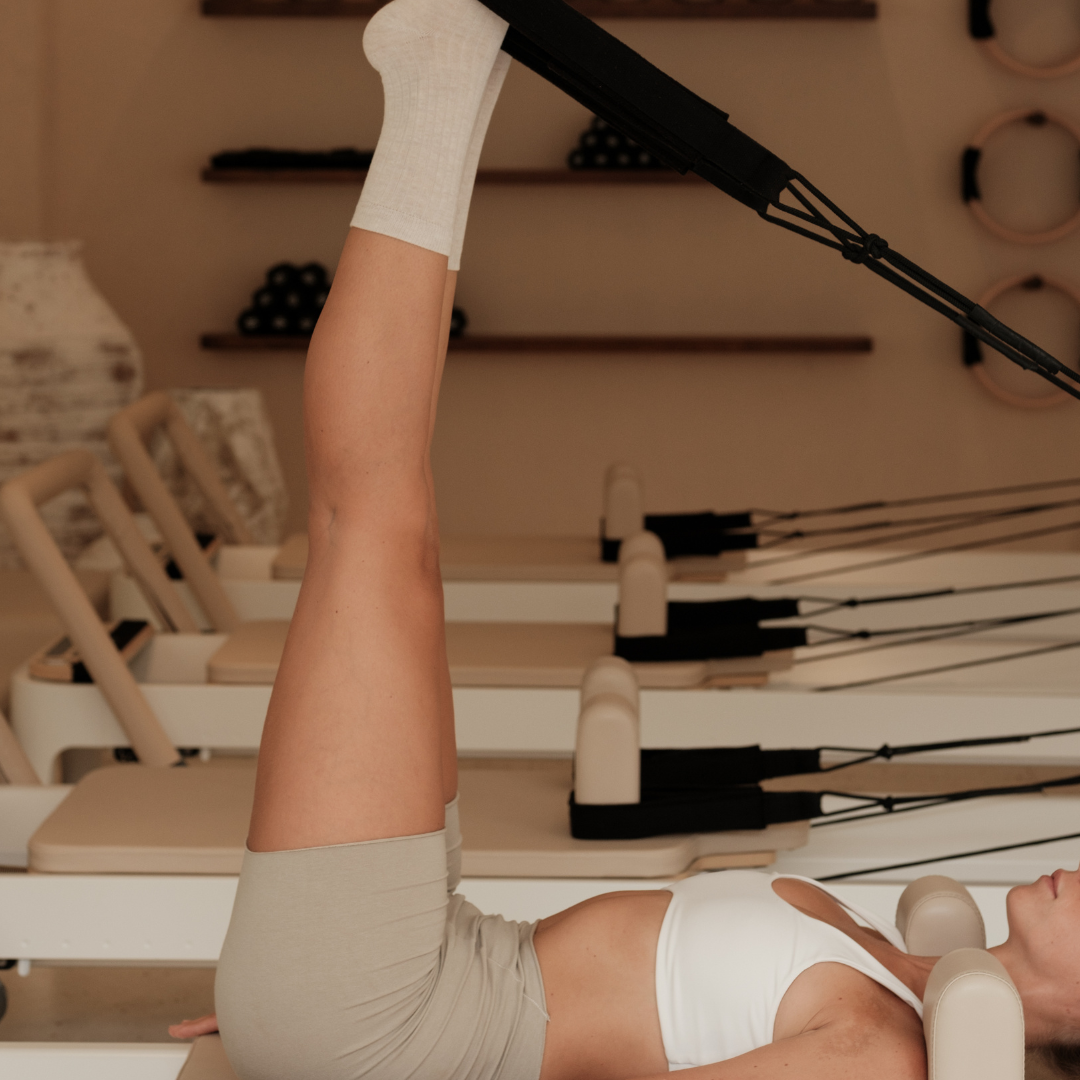
Pilates is a low-impact exercise method built around control, awareness, and balanced strength rather than intensity.
Movements are performed slowly and with focus, helping you retrain how your body moves.
For people recovering from or managing back pain, this approach offers several benefits:
-
Improved posture and alignment. You learn how to move efficiently without overloading sore joints.
-
Gentle strengthening. Small, precise movements help build endurance in the muscles that support your spine.
-
Better flexibility and circulation. Regular practice keeps joints moving and reduces that “morning stiffness” feeling.
-
Confidence to move. When movement feels safe, it becomes easier to stay active in daily life.
Because Pilates can be modified for all ability levels, it’s suitable whether you’re returning to exercise after injury or simply wanting to keep your back healthy as you age.
What the Research Shows
Large clinical studies have compared many forms of exercise for people with persistent back pain.
Across this research, active exercise programs — especially Pilates and other targeted strengthening routines — consistently reduce pain and improve function more effectively than rest or passive treatments.
The key is not any single “magic” exercise but consistent, well-guided movement.
How to Get Started Safely
If you’re new to Pilates or haven’t exercised for a while, it helps to begin under the guidance of a physiotherapist or qualified instructor.
A few practical tips:
-
Start small. Even 10–15 minutes of gentle movement can make a difference.
-
Focus on control, not stretch. Avoid pushing into pain — the aim is smooth, steady motion.
-
Stay consistent. Two to three sessions per week builds strength and confidence gradually.
-
Ask questions. Let your instructor or physio know if something doesn’t feel right so exercises can be adjusted.
The Take-Home Message
Pilates isn’t a quick fix, and it’s not just for dancers or athletes. It’s a structured, evidence-based way to help your back move better and feel stronger — one small, controlled movement at a time.
For many people, it becomes not only a form of exercise but a reliable way to maintain comfort and independence as they get older.
Pilates at Penrith Physiotherapy Sports Centre
At Penrith Physiotherapy Sports Centre, our physiotherapists use Pilates as part of tailored programs designed to help you move with confidence again.
Each session is adjusted to your current ability and gradually progressed as your strength and control improve.
Whether you’re managing back pain, rebuilding after injury, or simply wanting to stay active and independent, our team has the expertise to guide you safely through every stage.
Our focus is simple — to help you move better, feel stronger, and get back to the things you enjoy most.
Got a niggle you can't shake?
Our physios have been getting Penrith moving since 1989. No referral needed for private patients.