
Do I have Carpal Tunnel Syndrome?
In today’s fast-paced world, many of us spend hours at a time typing on keyboards, using smartphones, or performing repetitive tasks that involve our hands and wrists. Over time, these activities can lead to a condition known as Carpal Tunnel Syndrome (CTS). It’s important to understand what CTS is,
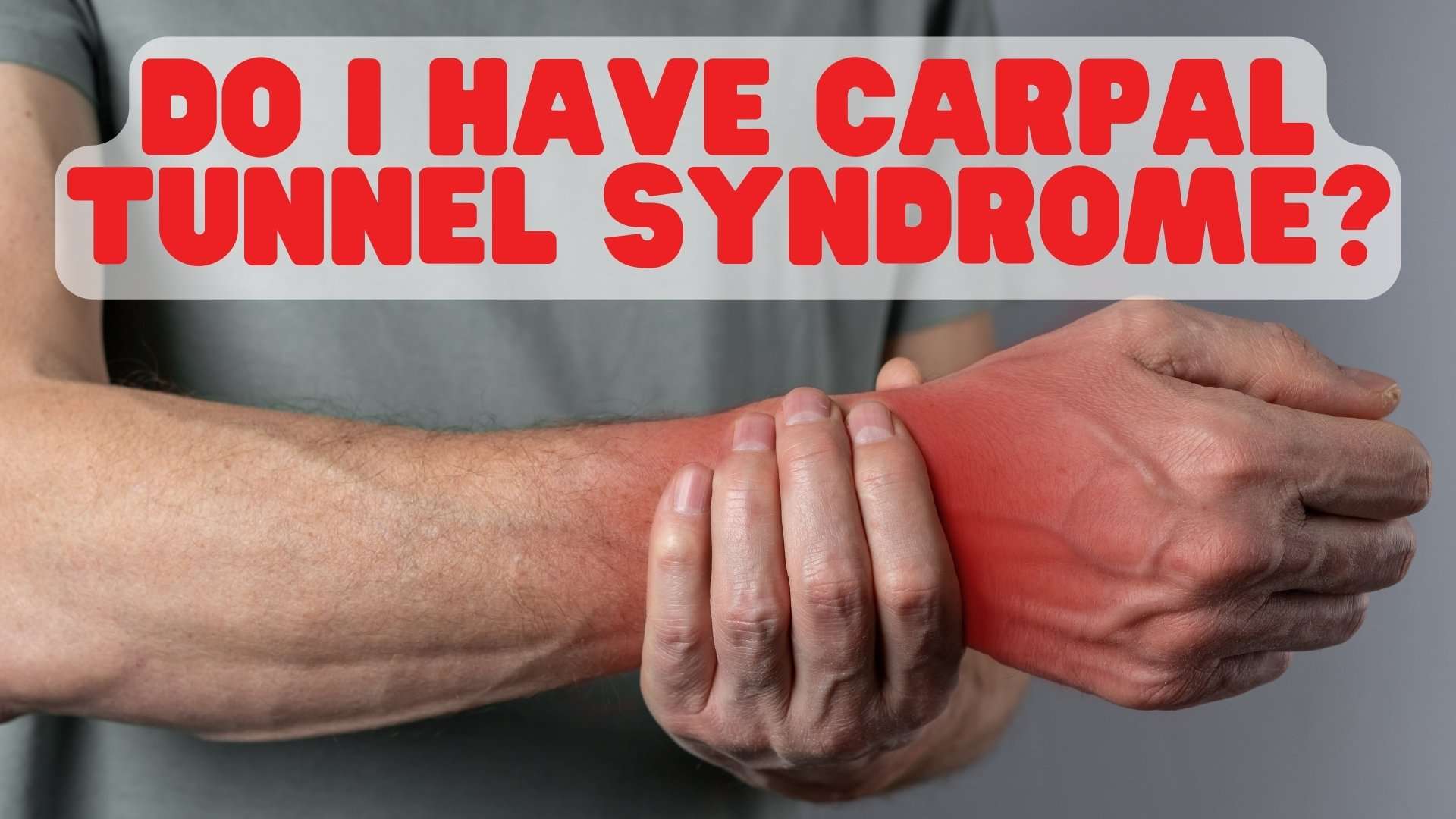
In today’s fast-paced world, many of us spend hours at a time typing on keyboards, using smartphones, or performing repetitive tasks that involve our hands and wrists. Over time, these activities can lead to a condition known as Carpal Tunnel Syndrome (CTS). It’s important to understand what CTS is, its causes, symptoms, and available treatments to mitigate its impact on our daily lives.
What is Carpal Tunnel Syndrome?
The carpal tunnel is a small passageway in the wrist that allows tendons and nerves to travel through to the hand. If the tunnel becomes compressed, pressure will be placed on the nerve causing Carpal Tunnel Syndrome. This pressure on the nerve can result in various uncomfortable sensations and impair hand function.
Causes of Carpal Tunnel Syndrome
Several factors contribute to the development of CTS:
- Repetitive hand and wrist movements: Continuous activities like typing, using a mouse, assembly line work, or playing musical instruments can strain the tendons in the wrist and cause narrowing of the carpal tunnel.
- Anatomy of the wrist: Individuals with smaller carpal tunnels or with wrist injuries/fractures might be more prone to CTS.
- Health conditions: Conditions like diabetes, arthritis, hypothyroidism, obesity, fluid retention and hormonal fluctuations due to pregnancy or menopause can increase the risk of developing CTS.
Symptoms of Carpal Tunnel Syndrome:
The symptoms of CTS often develop gradually and worsen at night-time:
- Numbness or tingling: Individuals with CTS often experience a tingling sensation, like pins and needles, or numbness in the thumb, index finger, middle finger, and a portion of the ring finger. This sensation might extend up the arm, particularly affecting the inner side.
- Pain or discomfort: Some people with CTS report pain or discomfort in the wrist or hand, which may radiate up the arm.
- Weakness/difficulty gripping: Weakness in the hand, leading to a tendency to drop objects, can occur in severe cases.
Treatment Options:
Treatment for CTS varies based on the severity of symptoms:
- Wrist splinting: Wearing a splint or brace to keep the wrist in a neutral position can alleviate pressure on the median nerve. This can be especially helpful at night when symptoms are often worse.
- Medications: Nonsteroidal anti-inflammatory drugs (NSAIDs) may help reduce pain and inflammation; however, you should talk to your doctor before taking them.
- Physical therapy: Exercises can improve wrist strength and flexibility, relieving symptoms.
- Ergonomic Adjustments: Making changes to your workstation or daily activities to reduce strain on the wrists can be beneficial.
- Lifestly Modifications: Adopting a healthy lifestyle that includes regular exercise, maintaining a healthy weight, and managing underlying health conditions like diabetes or arthritis can help alleviate symptoms.
- Surgery: In severe cases where other treatments haven’t been effective, surgery to release the pressure on the median nerve might be recommended.
Preventing Carpal Tunnel Syndrome
Prevention is key, and several steps can help reduce the risk of developing CTS:
- Take breaks: Frequent breaks from repetitive tasks can reduce strain on the wrists and hands.
- Ergonomic adjustments: Ensure that workstations are ergonomically designed to reduce strain on the wrists and hands.
- Hand exercises: Perform stretching and strengthening exercises to improve hand and wrist flexibility and strength.
- Maintain a healthy lifestyle: Proper nutrition and maintaining a healthy weight can reduce the risk of CTS associated with certain health conditions.
Conclusion
Carpal Tunnel Syndrome can significantly impact daily life, but early intervention and lifestyle modifications can help manage and prevent its onset. If you’re experiencing symptoms of CTS, consulting a healthcare professional is crucial for proper diagnosis and personalized treatment. Remember, taking proactive steps to maintain hand and wrist health is essential in today’s tech-driven world.
If you have concerns or questions, give us a call to speak to one of our physiotherapists today.
Got a niggle you can't shake?
Our physios have been getting Penrith moving since 1989. No referral needed for private patients.